Tips, tussles, and traps

Michelle will share insights from her research and draw on her experience leading the Ticket to Work approach and the Inclusive Pathways to Employment pilot.

Tips, Tussles and Traps: The transition to work for young people with disability

Michelle shares insights from her research and draws on her experience leading the Ticket to Work approach and the Inclusive Pathways to Employment pilot. As the mother of Jeremy, a teenager with Down syndrome navigating his way in the world, she will also discuss practical ways to implement these learnings.

Transcript

Hello, thank you for having me. So, as I say, I’m from the Brotherhood of St. Lawrence. So those that don’t know the Brotherhood of St. Lawrence, we’re a social justice organisation that work along people experience disadvantage to address the fundamental causes for poverty in Australia. So what we are on about is systems change, so, how do we make the world or Australia a better place? And my part in that is looking at how do we make things work for people with disabilities. I think listening today, and I couldn’t make it yesterday, you know, was the juggling that families have to do to create a valued role for their loved ones.

So one of the things that we are really interested in is how do we make systems work for people and their families, and how do we make opportunities and pathways really clear so that young people, particularly in my area, young people with a disability can see and achieve what they aspire to.

Having said that, it sounds all lovely, it is a struggle. And so for the last 15 years, and I’m presenting the last 15 years in 25 minutes probably now, of my both professional and personal life. So, looking at being a mother of a child with Down syndrome, and that’s Jeremy there, he was in a play, he’s really into theatre, so one of his roles was policeman. So, hence the gaze there. Bringing up my twin boys, so Jeremy has Down syndrome and Darcy, who does not. And also, you know, focus on what I’ve learned through that process and where we are today.

So I just wanted to acknowledge the traditional owners, custodians of the land, the Ngunnawal people. And particularly to acknowledge today is National Sorry Day. So I just, you know, wanted to acknowledge that because it’s a really important day.

So, this is my boys when they were cute. They’re now 17-year-old boys. So, that’s Jeremy and Darcy, and I got into this when I was trying to find work-family balance. So, my previous work had done a lot of work around policy and practice around school-to-work transition, but never looking at disability. I don’t know why I didn’t look at it, but that’s where I got to. And then Jeremy came along, and so I wanted interesting work. So I took a gig, so it was a consulting kind of thing, so I thought that was perfect, I can do bits and pieces and, you know, really interesting work, but, you know, have this kind of balanced life. It didn’t really work out that way, it never does. So, the consulting work, my first piece of work, was working with the state government, and they were looking at pathway planning for young people with a disability.

So, part of my role was just to go out and interview people, so mainly school people, teachers, career practitioners, special schools, to find out what was happening around pathway planning for students with disabilities in Victoria. They didn’t know that I had a child with Down syndrome.

So, I started this gig, and it was just, you know, oh, it was horrific. I got really angry. So there was just this kind of low expectations when they were talking about things like work experiences. It was kind of like, well, we have a pretend shop, we have a shop with fake, you know, cash registers and that’s people’s work experience from the special schools.

And the mainstream schools were saying, “Oh, no, well, we don’t, you know, have the resources,” and, you know, “Yes, they can do work experience, but we can’t support them in that.”

I met a young man when I went to one of the schools, they said, “Oh, come and meet Sam.” I went to meet Sam. He was working in the library doing his work experience in the school that he went to. And I said, “Oh, do you want to be a librarian?” He goes, “No”. So there was no idea or no thinking around, well, what is this person and what is their interest? So, you know, it was very much destination by diagnosis.

And that was the indication from some of the schools I was working with, that all the students with Downs and they, you know, “Downs”, you know, go to this day service and the ones that can read and write a little bit go to the sheltered workshop or the ADE. And there was no, you know, a lot of the pathways to non-vocational.

So there was nothing around open employment? Yes, there was some pockets. I make it sound terrible. There was some really lovely people trying to do really things, but they were struggling. There wasn’t the structures. And there was this talk that, “Oh, well they’re not ready”. And this idea of ready, and I was saying, “Ready for what?” And it was like, you know, this idea that people have to be ready, and it was like ready for nothingness, readiness for nothingness. That there was no idea of what the destination was. And when they talked about parents, it was often in the, if parents had high expectations, they were delusional or that they were unrealistic.

And there was this often this kind of conversation around, “Well, parents with kids with significant disabilities, it was that they’re grieving, that they can’t have a proper life.” And I’m going, “Why can’t they have a proper life?” And so for me it was like, you know, to have a two-year-old and we are doing all that you know, early intervention and Jeremy’s trying really hard to be the best Jeremy he can be, and we’re trying to support him. This idea that Jeremy, his life was going to be defined by his disability and for me, that was just not accepted. So I got a bit angry, as often parents have to do. But it was a good indication for me in those early days, I was like, well, you know, I don’t want Jeremy to have that. I didn’t want him to, and it’s quite useful having twins because it just gave me that, you know, that I didn’t know anything about SRV at that stage, but it was like, well, what Darcy gets, Jeremy should get, and we should just be working to make sure that he’s got those opportunities.

The other thing was that there was, you know, in the special schools, they didn’t… because my background’s in careers… there was transition staff. So the idea was that there was these staff members that were kind of basically transitioning someone from, you know, the institution of school to another institution. And we know that, you know, a lot of the young people that make that transition, that’s where they stay. So for me, that was unacceptable.

So I convinced the department to give me a job to, this is where the, the life balance just went out, to start to explore this a bit further. So, being a research nerd, having a look at what was happening in the US. And, hearing about Marc Gold and Customised Employment and that there was this real, and you know, focus on, you know, good practice and the idea that, you know, pathways should be, you know, employment first, pathways to open employment, that there’s the post-school world working with the in-school world to create seamless pathways. Like I was like, well, this is what I want. This is what I want for Jeremy, and this is what I want for other young people with disabilities, you know, there was internships, there was all sorts of things.

And there was the expectation that employment wasn’t a preferred outcome. And I know different states were doing different things, but in a way it was just mind-boggling to me that this is what we’ve got. And this is over here, and you know, why aren’t we doing that?

There was also a major longitudinal study, so it was really gave me some indications of what are the predictors of post-school success. So, within the evidence base, they’d had a look and to determine what was happening. So, you know, it’s when I first started to hear about things like Customised Employment.

But one of the key indicators of post-school success was experiences of work experience and paid work while at school. And I was saying, well, that’s what. I want for Jeremy, I want a typical pathway, having the typical opportunities with extra support because he will need it.

Also, that the, you know, from where I was, it was like the parents’ expectations. If parents have high expectations or the expectations of employment, that is going to create better outcomes post-school. So they’re not delusional. They weren’t unrealistic. They were actually, you know, doing what the research was showing improves.

So I set about convincing people that we should be doing things differently. We started off very, very small, where I convinced, well, not I convinced, a lot of people thought that this was wrong and that we needed to change.

So a small group within a community looked at the evidence base and said, “Well, we’ve got resources. Well, let’s see, we’ll do a trial in two special schools of doing what we know, you know, from the evidence, what works and seeing what, what happens.” It was small, no funding, very grassroots.

So what we did was look at one of the things from the evidence, was collaboration, so in the ACU, ACU, yep, did some kind of, took that evidence overseas and put it into an Australian context and came up with what we call the ‘golden rules’. So that’s what we focus kind of on. So, expectations that open employment is not only possible, but that is what we should be working towards.

The key thing that we learned was collaboration; that there is all these different funding bits, both the mainstream funding through apprenticeship centres and through training organisations. And then we’ve got doors funding and this funding and that funding and NDIS, there wasn’t any NDIS, we’ve got disability employment services, we’ve got schools. If we could come together and actually start to look at individual young people.

So what we started to do was look at, okay, well, as a community, have we got the resources to bring together, to support young people to create their own pathways? And so we had this collaborative group working together to create individual pathways, blending and braiding, which is a US term that I love, this funding to actually create a pathway. So it was basically, rather than trying to stick the individual into a system, it was kind of let’s try and make the systems and the funding and the programs work for individuals.

It was small but highly successful. So we had 22 young people. We did a lot of school-based apprenticeships and traineeships, ASBAs here, with Australian School-Based Apprenticeships, different states, different, just to confuse everyone. So we were doing a lot of, okay, well, when we know we need paid employment, we need work experience, we need this to happen in school.

So, of those 22, 18 went on to paid employment in an area they were interested in post-school.

And also the beauty of that was that not only could the school see that, but the parents and the year seven students coming up could see that, okay, well there’s a whole lot of these young people in senior school going out, working in apprenticeships and traineeships. And, and they look or they’ve got, they’re similar to my son or daughter. So there was this real kind of, this idea that building expectations through demonstrations within that school environment. So that the three “WEs” is (Work) Exposure, Experience, and Exploration.

So work, we need to expose before we have choice. The whole idea is if you, you know, if I came to you and said, “When you grow up, do you want to be a blah, blah, blah?” And you go, “I don’t know”, well, how would you know? So you, you know, we need to have a whole range of experiences.

We realised pretty quickly that we needed skill development for the workforce. And that’s where a lot of the Customised Employment, so we were developing up Customised Employment, and family involvement was key. And starting that process early, so, you know, not waiting. Normally we have a system where it’s kind of like very siloed; school, and then, okay, well, after school, what? Or you might have the last six months of school that was happening there as like, well, what do you want to do when you leave school? And it’s like, oh.

So we developed the Ticket to Work approach, which is basically that giving young people the opportunities while at school to explore, to stuff up, to kind of just be young people, you know, that’s what young people do. They try on different things and explore.

So we did a lot of school-based apprenticeships. We did a pilot looking… and we also did after-school work. We see that as a rite of passage that everyone, most of you probably, when you’re in high school, had that crappy job or not so crappy job, that taught you a lot, that that is a normal kind of experience to have an after-school job. And also looking at career development and self-determination. Like some of the data that was coming from the NDIA, is that young people aren’t actually choosing their post-school destination. It’s being chosen for them. So I think it was about 30% were choosing where they were going.

And the main thing was collaboration. One, because we had no money that we needed to, to kind of look at this from our play space. And it kind of made sense that, you know, there are resources there, but the resources aren’t working for individuals. The individuals are trying to work for those resources or fit into a narrow criteria. But by sharing knowledge and skills, we were able to create better outcomes.

I say most of the work that we’re doing was in schools. Then what we wanted to do was looking at, trying to, to track those individuals post-school. So this was data through the Centre for Social Impact, and I know Jenny spoke yesterday.

So we took our data and had a bit of a look at that. And you can see these were the young people who had an open employment while at school. So being, you know, your school-based apprenticeship, your after-school work, and also what happened after school, so around 60% were in employment post-school.

So, compared to NDIS open employment data is, you know, obviously, it’s significantly different. The good thing that then when you look at young people generally, data around 63% are in employment. And the majority of the young people we’re working with had intellectual disabilities and/or autism. So it wasn’t, generally those young people that get those opportunities to be in open employment. So, it was just showing that by having those experiences, a collaborative approach created better outcomes post-school, and we did a cost-benefit analysis as well.

We’ve got a whole range of resources about those that are interested in the Ticket to Work approach. It was designed as a demonstration to show what was possible. Also, we, didn’t have additional funding to continue Ticket to Work, so we still support some networks and some networks are still operating and all the materials there on our website, so if people are interested in exploring what that is.

So the next piece of work that we’re currently looking at is the inclusive pathways to employment. So what we want to do is, I think a lot of people here have spoken about, they went to a DES provider or NDIS support, and it just wasn’t meeting their needs. So we want to design a new approach, and we want to pick out those elements that have worked overseas and also through Ticket to Work and what we know works, like Customised Employment. So we want to design a new approach to bring together those core elements of systemic change. So, with systemic change, we have a particular model. So looking at, you know, a pilot, policy development research and also the NCED, which is an enabling hub. So the idea is that we want to look at an enhanced model of mainstream employment services.

So, currently in Australia, we have youth employment services that are funded by the federal government called Transition to Work. They’re an investment-based model in that the focus isn’t just on placement. So it’s very much around exploring who you are, what you want to do, having a whole range of different experiences. So, you can see that similarity to the Customised Employment kind of approach.

We have Disability Employment Services, which are not… they don’t have a youth focus, and the main aspect is about job placement. So young people being young people. So young people with disabilities are, number one, young people. And the Transition to Work program was developed mainly because there was a recognition that adult employment services do not work for young people. So, why do we put young people with disabilities into adult employment service?

So what we are really trying to do is to explore those elements of good practice. And we’ve got four sites, and we’ve just started training those employment services around disability. So rather than trying to train the disability services or support workers about employment, why don’t we put it on its head?

So we’re, it’s an exploration. So we don’t know, but we are going to have a whole range of things like a community of practice and developing up that evidence. But, you know, trying to create youth programs, mainstream programs that work for young people with disability, including significant disability. That’s not to say Transition to Work, as it is, we think it’ll be modified and the pilot we are modifying it to create those elements.

The NCED, or the National Collaboration on Employment and Disability, we are just setting up to have a central location of all the resources and our research and workforce development, so accessible to everyone. And also, we’re looking at an expert working group that will be informing us as we go forward.

And then also that co-design of research policy development in collaboration. So working with the three departments and agency coming together, DSS, DEEWR now, NDIA around, well, we’ve got all these things, why don’t we get them to work for individuals rather than trying to say, well, that’s that bit and that’s that bit? Well, shouldn’t we have a system that actually works together, and can’t we get people to talk to make sure that that system does work? So we’ll have a series of workshops and getting that evidence emerging, and the pilot.

So, that kind of, that’s where we are at and what the work, and we’ve got a Ticket to Work website. Don’t go to the American Ticket to Work because they’re completely different. And I’ve got the details. And we have a newsletter, so feel free to subscribe.

So, with Employment Pathways, looking at Transition to Work service. You can see in the image, youth-focused, there’s billiard tables, there’s food, it’s an exciting space. There’s spaces for young people to chill. There’s a whole range of things. So there’s… it’s designed for young people, whereas Disability Employment Services or, you know, are not necessarily designed for young people. We want to have spaces.

So, back to Jeremy… They’re not so cute anymore; you can see them at the beach there. That’s Darcy and Jeremy. Ah, I get that they’re still cute to me. But they’re 17. Jeremy is the ultimate performer. He’s a cook. He is a whole range of different things.

But we were finding that when, you know, you think I would know how to do this for him. And it was quite interesting that in year nine it was like, yes, you know, I’ve done all the early intervention. One, I’m just a mum, so Jeremy, you know, doesn’t listen to me. So, you know, one of the, the school said, well, let’s do, we can get Jeremy into the local ADE to do horticulture.

We live on a farm. If you see Jeremy there, he hates being outside. He does not like horticulture. We love plants. His dad’s a ranger. He just hates that. So, you know, the whole idea that he would be going there just because he’s got a disability and that’s that pathway.

He’s a people person. So, we went to a disability service. We got NDIS, that was a Customised Employment specialist. They spent, I think, three months, you know, kind of with him to get to know him and then said, “Oh, he hasn’t got any, you know, he’s not very good with money”. I was like, “Duh, he’s got an intellectual disability, you are supposed to be the Customised Employment people”. And then they said, “Oh, we’ve got him a job at the op shop”. I was like, “I don’t want to go to the op shop. One, he hates old people. He thinks they smell. It wouldn’t have worked. He likes to be with young people.”

So we had to, we got another job service. They’re brilliant. So this is Jeremy as the hairdresser, the office worker. He’s at the cafe, he’s at, he’s doing the retail work. He worked at the Melbourne Shakespeare Company as the prop guy. He was the baker and the lifeguard. So these are all his different work experiences. We knew from the Ticket to Work data, the more work experiences you did, the better your post-school outcome. So that’s what we were doing.

We have a job coach that, like Milton says, will sit in the corner, you wouldn’t know that they’re…just to get him comfortable, but probably more to get the employer company comfortable.

So from those, he’s got two after-school jobs now, at the Kallista Tea Rooms. He’s been there for a year now, and he’s just got the Proserpine Bakehouse, which is a very, they mill their own flour, very fancy. I can’t afford the bread: It’s $12 a loaf. But they have this display window where the bakers work. So if you go back, you can see him. They’re making things.

So in the display, the kids come and watch the bakers bake. And all the bakers hate it; being observed, but Jeremy’s the performer. So he’s rolling, and, you know, putting on a show so the kids are happy, the employers are happy, the bakers are happy that they don’t have to be on show. And Jeremy’s happy because he has his own stage, basically.

So, as the NCED, we’ve got a whole range of resources. We’ve got podcasts. You can see one of our posters there. We are there to support. We can do limited in the sense of our time, but we have a whole lot of resources. We’ve got practice guides, how to do collaboration, how to do after-school work, and a whole lot of evidence-informed resources.

For parents, we’ve got our video stories. We’ve got an interactive guide around supporting your child to achieve a good life. We’ve got informational videos going through those golden rules, how to get there, and we’ve got done research. So it just shows that… have a look at our website. We’ve got a range of things that are there.

And that’s it.

Meet Michelle Wakeford

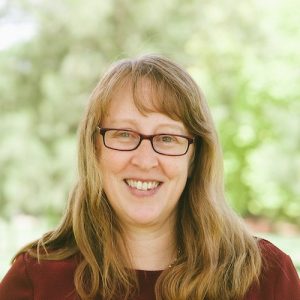
Portrait of Michelle WakefordMichelle Wakeford is the Senior Manager Youth Transitions (Disability) at the Brotherhood of St Laurence.

Michelle founded the Ticket to Work approach, and for the last 12 years, she has been working with a dedicated team, including community networks and partners, exploring various projects and research to improve pathways to employment for young people with disability. She has been key in supporting capacity building in effective practice in school-to-work transition and has extensive experience in policy and program development and system transformation.