
Cameron and his mother, Karen, describe how their family, friends, and Circle of Support crafted a fulfilling week for him based on his interests and Vision.
In this presentation, Karen Caldwell and Cameron Zellner share how they have spent years crafting and safeguarding a meaningful week for Cameron, grounded in his vision, interests and growing independence.
Cameron is a competitive rower, keen photographer, digital storyteller, house sitter and gluten-free baker living an active, connected life in Canberra. In their presentation, Karen and Cameron share the practical steps they have taken – from identifying interests and developing a vision statement to building a Circle of Support, now formalised as Cameron’s Colour Crew – and reflect on the ongoing work of managing the NDIS, maintaining documentation, and gradually handing over responsibility.
Meet Karen Caldwell
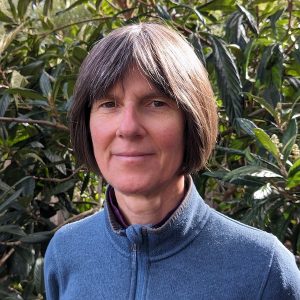 Karen Caldwell is a partner in micro-business StretchAbility, where she teaches adults how to stretch safely and efficiently. She is also a volunteer boat-race official with Rowing ACT and has been the self-manager for Cameron’s NDIS plan since 2015. Karen lives with her partner, Markus Zellner, and together they have two adult sons, Aidan and Cameron.
Meet Cameron Zellner
 Cameron Zellner is a competitive rower, keen photographer and digital storyteller who lives an active, connected life in Canberra. He runs his own small digital services business, is a house sitter, a gluten-free baker and a proud host of regular pizza and movie nights.
In February 2022, Cameron’s Circle of Support was incorporated to become his microboard, Cameron’s Colour Crew. Along with family and friends, Karen and Markus are members of the microboard, walking alongside Cameron to help him achieve his goals, strengthen his relationships in the community and safeguard his good life.
Transcript
Please note that the transcript provided may contain occasional errors.
Hello, my name is Karen, and this presentation is about crafting and safeguarding a meaningful life for Cameron.
Cameron is a friendly and energetic young man. He wants to work, have time to hang out with friends and to move out of the family home. These goals are no different to those of any other young adult.
A meaningful week is one where Cameron works towards his goals. Some goals, like moving out of home are long-term, and need to be broken down into achievable chunks, while others, like playing online UNO with friends, are smaller and have an immediate positive impact on his life. Work, administration and the chores of daily life take up a big proportion of everyone’s week, but we all make time to work towards our personal goals.
That is what makes our week purposeful and our life meaningful. These goals will vary from person to person and over time. However, they can be grouped together by common themes of life domains and then summarised as the ‘good things in life.’ Social Role Valorisation theory helps us to focus on the good things in life.
Cameron is a social young man who enjoys spending time with people he knows well, but verbal language can be challenging for him. This does not stop him from expressing his opinions or preferences when he feels strongly about something. He uses words, gestures and actions to communicate his wants, needs and feelings.
Together, we’ve been able to develop a vision for his good life, and it is the touchstone we use to craft a meaningful week for him. Cameron’s vision statement appears later in the presentation and can also be found on the Imagine More website if you search ‘Cameron’ and ‘vision’.
Cameron’s vision statement is a written document that summarises goals that are important to him. It highlights his needs, wants and dreams. The content and style we have used suits us, but of course, visions vary because every person is different. They could be one sentence, one paragraph or many pages. They could be dot points or an essay. They could contain drawings or photos.
The most important thing is that the vision is understood by the people who are carrying it. I’ll be talking about the importance of having a vision in more detail later in this presentation.
The challenges of daily life are neverending and I tend to forget about the future. Cameron’s vision statement functions like a compass, and it sheds light on the best way forward, helps us avoid problems and deal with setbacks.
Cameron’s vision statement helps me stay on track when others suggest a different path would be better, easier or safer. I’m aware that if we don’t have a vision for Cameron, other people or service providers will create a vision for him, whether we like it or not.
What has helped us create a meaningful life for Cameron?
Firstly, mentors.
Early on, I was lucky to find two mentors in Jan Kruger and Sheree Henley. Together, Jan and I explored different ideas and examples of vision statements, providing me with a solid foundation to start working on one for Cameron. Sheree Henley provided me with practical steps to set up and run a Circle of Support. Having these mentors work alongside me gave me the confidence I needed to get started.
I also use the word mentor when referring to Cameron’s support workers, as I feel this more accurately describes their role and sets the tone for what they do.
Exploring interests.
Understanding Cameron’s interests and passions was and still is an important part of crafting a meaningful week for him. This cannot be rushed, as Cameron needs time to become familiar with his surroundings and comfortable with the people involved before he is willing to open up to and concentrate on a new activity or experience. And this needs to be done one interest at a time by the people who know him best. And in Cameron’s case, this is myself and my life partner, Markus.
We try to set up new experiences with the best possible chance for success, aiming for Cameron to have a calm, regular day before introducing new activities and experiences. This is not always possible, but we do the best we can.
Cameron expresses strong opinions straight away, but often needs processing time. Cameron works hard to compose his thoughts on a new topic and verbalise them. If he does not have a strong opinion, he may choose to say nothing at all. However, if he does choose to speak about something new, it’s often done very quietly and could be well after the event. We take careful note of what he says at these times, and it’s very easy to miss these precious moments.
Exploring interests in detail allows us to get to know Cameron much better. We find out which element of an activity he likes best, which strategies or supports help him learn, engage, interact or enjoy the activity. Once an interest is identified, we focus on those that have the most positive impact on his well-being. Take note of the amount of effort they take to organise and how well they can be incorporated into Cameron’s schedule.
As a child, Cameron enjoyed cutting papers and straws and his own hair. At school, he was a keen participant in horticulture and hospitality programs. Since leaving school, we’ve found he’s not really a keen gardener, but particularly enjoys watering and pruning, reflecting a consistent interest in water and shopping activities.
Cameron particularly enjoys recipes that include a lot of grating and chopping. He makes a great pizza and fruit salad. This combines his interest with chopping and food. However, as he enjoys baking as well, we know he has a genuine interest in cooking.
Along the way, we’ve learned that Cameron does not like worms, 10-pin bowling or shopping centres. He tolerates the cinema but prefers live orchestral music. He tolerates indoor pools but prefers swimming at the river. New places and social activities tire him out more than physical activities.
When something doesn’t work out, that’s okay. Information about what he doesn’t like or strategies that do not support him should be viewed as valuable information and not failure.
Rowing is the interest Cameron has decided to focus on most. It combines his interest in water activity with time outside in nature. We have learned from previous swimming lessons that a symmetrical motion suits him best and whole-body activities meet his physical needs most effectively. All this means rowing meets his strong need for daily physical exercise very effectively.
Cameron is also an early morning person. And embracing early mornings is an essential requirement for rowing.
Cameron enjoys the company of others but finds social chat overwhelming. Rowing in a single skull alongside other club members or in a crewed boat is an activity that can be enjoyed in the company of others with less social pressure.
Cameron continues to develop his rowing skills and deepen his connections to the club and rowing community. He attends social events, sorts medals at regattas, mows the grass around the clubhouse. He’s a regular at coffee after rowing on a Sunday morning. Everyone says hello when he arrives, and he’s missed when he’s not there. He’s made many friends through rowing.
As Cameron was progressing steadily through high school, I was aware I needed to move on from a therapy approach, but could not articulate what I was looking for. I was overwhelmed by the prospect of post-school life.
As the NDIS was rolling out in Canberra, I tried to get a sense of the different options and approaches available for people with intellectual disabilities and their families. I connected with Imagine More and other like-minded organisations and started to think carefully about what sort of life we wanted for Cameron as a young adult, and started working on a vision statement.
Cameron’s vision statement is a written document that summarises life goals important to him. It highlights his needs, wants and dreams. Although I did the bulk of the work creating the vision, Cameron, his family and friends provided valuable insights, making it a much more concise document.
Cameron’s vision has two distinct sections. The first section is key qualities, which will help my son achieve a good life, but doesn’t necessarily go into the detail of what that will look like. I guess it outlines our philosophical approach to achieving Cameron’s good life.
I have separated these key qualities into two parts. The first centres on the nature of the support and the community he will need to create his good life. And the second focuses on the qualities that impact on his sense of self and control over his life.
The second section, called ‘My Vision’, is where we’ve tried to capture Cameron’s hopes and aspirations in his own words. To be certain he’s been articulating his own preferences, we ask him the same question again and in different ways. While his vision statement is still current, we continue to check in with Cameron as his preferences evolve over time. We are now exploring the use of visuals to help Cameron express himself more clearly.
I share the vision statement with Cameron’s new mentors, friends, and interested community members, and try to get it incorporated into any service agreement I sign, with mixed success, but it’s an interesting conversation. The vision statement informs how I try to balance the paid and unpaid roles and supports in Cameron’s life and establish the diverse range of friendship he desires.
As a teenager, Cameron’s interest in connecting with his peers increased significantly. And in 2015, around the same time we were working on the vision statement, I invited a group of people to form Cameron’s Circle of Support. This Circle of friends is a group of people who freely give their time to walk alongside Cameron and help him achieve his goals.
Markus and I both come from small families, and Cameron has only one brother. For us, an important aspect of the Circle has been expanding the number of people who know Cameron well and form his social network. The Circle acts as a brains trust, identifying opportunities for him to have valued roles in his community and paid employment.
Cameron and I were both really anxious about him finishing school in 2017. To help manage anxiety, we talked about all the people and activities we knew that would continue to be the same once he finished school. This conversation was very reassuring for Cameron, and he would initiate this topic frequently, listing the people and activities he knew would continue. He took great comfort from both rowing and his Circle at this time.
Circle members have developed strong relationships with Cameron, and one of the Circle members organised for Cameron to deliver Neighbourhood Watch newsletters in our suburb. And they delivered each issue together for several years.
Cameron also bushwalks weekly with another Circle member. The bushwalks started out as an opportunity to share their interest in photography, but Cameron’s turned into her personal trainer. His stride length is longer than hers, which encourages her to walk more quickly to keep pace. Cameron loves these roles, which gives him an opportunity to give back to his friends and his community.
With the help of his Circle of friends and his mentors, we have explored Cameron’s interests and other conditions that set him up for success much more deeply than I could have done on my own. We also considered how Cameron can contribute to his community in socially valued ways. This has led to specific vision statements about employment, friendships and home.
Annual goals have fallen out of this process and made it easier to map a positive way forward. I just described them as annual goals, but really they often take much longer than that.
So what have been the main challenges, and how have we managed them?
Managing Cameron’s NDIS plan has required me to build a skill set that I did not previously have. I have applied science to background, preferring to spend time in the lab repairing books and documents. People and administrative skills are something I’ve had to pick up along the way.
Many service providers we have interacted with have not met our expectations. This has included poor communication and record-keeping, and some also struggled to follow through with what they promised in a reasonable timeframe. The service providers I’ve had the most success with was either very small or sole traders who had very specific roles or tasks to do. The person you spoke to was responsible for the work. And it was easy to get a sense of whether they would follow through with what they said and when they would do it. And they did and continue to do some excellent project work for us.
When a service provider was independently recommended to me by two people I trusted, I knew their approach could be a good fit for Cameron’s team, and it might be worth looking more closely at them. This didn’t happen often, but it was a great shortcut when it did. I continued to build my capacity and keep myself positive by attending workshops, Imagine More peer support groups, and used a small number of trusted websites to learn from the experiences of others.
Paid supports:
Recruiting mentors for Cameron prior to the NDIS always took significant time and effort, but after the NDIS rolled out, the number of people no longer met demand. Since the pandemic, the number of inquiries and applicants has dropped with each round of recruitment.
It takes several months to train a mentor to work with Cameron, and it is only after roughly 12 months when mentors have a solid rapport with him and a strong understanding of our approach that we can see them working really effectively with Cameron and the whole team. The longer a mentor stays, the more skilled and more independent they become.
An efficient and effective recruitment process is essential. Cameron’s Circle, now Microboard, has assisted us to develop a recruitment process tailored to finding mentors for Cameron. They assist with advertising, application review, interviews, selection, and some buddy shifts when mentors first start. Cameron is also actively involved in giving a short presentation about himself. And we also usually set up a simple activity for the applicant to do with Cameron to get a sense of how they might work together.
We make sure that at each stage of the recruitment process, the mentor applicant learns a little bit more about Cameron and our approach so they understand the culture of the team they’ll be working with. We aim for a best fit possible between the mentor, Cameron and his team.
We make significant effort to accommodate the needs of mentors on the assumption that if we do this, they will do the same for us.
For example, Cameron’s rowing coach may need to take time off in summer to attend interstate regattas. Cameron’s current cooking mentor is a keen skier, and he likes to take time off over winter. Due to the difficulty of finding and retaining staff in the disability sector, we have adopted a roles-based model to help us find people who may not currently be working as support workers, but share Cameron’s interests.
Cameron’s current mentors consist of a rowing coach, a business and IT mentor, a home and cooking mentor, and a communication and social events mentor.
Don’t give up when something doesn’t work.
As expected, find a positive or practical version that does what you need. Cameron really enjoys cooking and loves hosting dinner parties. However, the logistics are complex. After chatting with Cameron, his social mentor organises a guest list of four to six people and identifies a date that suits Cameron, two mentors and the guests.
One, the social mentor provides any additional support Cameron or his guests might need once the dinner party starts, and this allows the cooking mentor to focus on Cameron and the menu.
In the end, dinner parties were just too much work for Cameron and the team, and rather than abandon this idea completely, it’s evolved into pizza and movie nights. There is a set menu that is the same every time. Social interaction still occurs, but the movie reduces the pressure for verbal interaction and makes the chat that does occur more relaxed and friendly. The fancy dress theme also provides another fun topic for conversation.
During COVID shutdowns, we found monthly Zoom chats based around a show-and-tell theme worked well to keep Cameron connected with family and friends. He really looked forward to them. But as restrictions lifted, participation waned, and the effort to maintain them increased.
A new Microboard member enjoyed playing online games and suggested Cameron try online UNO. Their interest in online games and deep knowledge of Cameron meant it was quick and easy to set up. The Microboard were keen to give it a go, but I was initially reluctant. I know Cameron prefers playing UNO face-to-face, and conversations are harder for him to follow on Zoom.
However, once he started playing, my concern seemed less important as he adapted well. Yes, it took him time to learn how to play the online version, and he misses some verbal cues, but he looks forward to it every Saturday night. One of Cameron’s friends has since moved interstate, and their friendship continues through these weekly games.
Events that occur regularly are easier to organise and can be set up in advance, and finding someone else who will attend regularly further reduces the workload. This makes handing over the organisation to someone else a practical option. Events that are regular and predictable are also more enjoyable for Cameron. He can relax as he knows what to expect and can put more effort into connecting socially instead.
Finding balance
… is difficult but worthwhile. During Cameron’s last years at school and for early post-school life, I put a lot of effort into finding him work with some success. However, I focused too much on employment to the detriment of social relationships in his life. Cameron lost contact with school friends, and it’s taken a lot of energy to reconnect with some of them.
The five-minute weekly chat with the local butcher and at the health food shop is just as important to Cameron as more significant relationships. In fact, a person from the health food shop is the newest member of Cameron’s Microboard.
When you’re stressed and busy, it’s easy to miss tentative offers of help unexpectedly made by community members. They are rare, and they’re only made once. Say yes, even if you’re tired. Say yes if you did the activity last week. Say yes if you even need to help out in some way. It’s much easier to strengthen an existing relationship than establish a new one.
As parents or primary carers, we need to pace ourselves because we are here for the long haul. We do our best with the energy and resources available at the time and then move on. Don’t worry about mistakes. Learn from them. Worrying is wasted energy that’s needed for other things.
We try to take some time each day to look after our own health. You need to take care of your own health and well-being before you can take care of the health and well-being of another person. Please be kind to yourself.
I have an NDIS carer’s statement, which has evolved into my duty statement. It outlines the things I do to coordinate Cameron’s good life. It’s made me reflect on the most important things I should be doing as a parent, which Marg Ward refers to as family business. And it helps me think about what I should hand over to someone else.
These days, I tend to flip between working on employment, home, and relationships, depending on what opportunities and resources are available. I’m also trying to delegate more tasks to the team.
Celebrate the successes, big and small.
One of the things we discuss at the weekly mentor meeting is what’s been awesome. The Microboard members and mentors share photos of Cameron’s achievement on our joint WhatsApp group. It helps keep the paid and unpaid team connected, and us focused on the positive things that are happening in Cameron’s meaningful week.
And now Cameron’s going to come and join us and talk about his good week.
Cameron
My name is Cameron, Cameron Zellner. Hello, my name is Cameron. Karen and Markus are my parents, and Aiden is my brother.
I’m a good cook. I host pizza and movie nights for my friends. I do all my own gluten-free baking.
I’m a rower. I row with Capital Lakes Rowing Club. I race in regattas and winter time trials.
I’m a house sitter. When people are away, I take care of their home and pets and their…
Zellner Services is my business. I scan slides, papers and photos. I’m saving up for a holiday in Melbourne.
In the morning, I listen to the birds and roll my feet. I all read with my family and call or text friends.
Friday is family movie night. Saturday, I play online UNO with my friends. Once a month, I go bouldering with my friend Liam. Once a month, I catch up with my friend Sam.
I go to the Canberra Symphony Orchestra with my friends. Every year I go bushwalking and camping. Cameron’s Colour Crew is my Microboard. We have meetings and outings. We talk about big stuff like friends and work.
I like to keep busy with fun friends and work while I write what I do each day in my diary.
Thank you for listening.
Karen
Thank you, Cameron, that was great. We’ve got a really clear picture of what your week looks like now.
In recent years, Cameron’s interests have become more settled, and what is important to include in his week has become clearer. Here is a list of the main components that provide structure and meaning to Cameron’s week. I’m not going to talk through this list because it’s going to be very personal for different people, but I do want to highlight that having a couple of default routines to turn to helps us cope with unexpected change and cancellations.
We use similar language to discuss the change as well. If we are at home, then we adjust the visual schedule. This mini routine is very comforting and reassures Cameron that the schedule will be happening in the future.
Cameron can travel to the zoo or the Botanic Gardens on his own and spend time there. These are places he knows very well, and it’s appropriate for him to sit and listen to the birds, draw and take photos extensively. He calls me when he arrives, and he calls me when he leaves. Unfortunately, we found the zoo is too busy during school holidays, but the National Botanic Gardens works all year round as a default day trip. If a shorter chunk of time needs to be filled, Cameron will often do a jigsaw puzzle or a word search at home.
What does safeguarding mean?
Cameron’s vision for a good life has helped us clarify what safeguarding means to us and decide where to place our time and energy.
We recognise the importance for Cameron’s life to continue without us being there. We want Cameron’s wishes to continue to be heard and respected and actioned. And for Cameron to be surrounded by people who know him well and can advocate on his behalf without having a financial interest in his life. These people may sometimes do things differently than I as a parent, but if they know Cameron well, then this is okay. And mixing things up can be a good thing.
I want to hand over my role as parent gradually while I still have control of this process and can set the culture for Cameron’s team. I look forward to having more time to enjoy Cameron’s company.
In February 2022, Cameron’s Circle of Support was formally incorporated into a microboard, but in effect, we’ve been functioning as a microboard for several years. Microboards are based on the same principles as Circles of Support, and our Circle is integrally involved in drafting and finalising the constitution for the microboard. And it’s very common that microboards evolve from Circles.
Cameron’s Colour Crew Incorporated have their own values and principles statement, which is part of the constitution of the microboard. The Crew also have their own vision statement: to build and safeguard an independent life for Cameron where he holds valued roles and meaningful relationships in a welcoming community.
One of the main differences between Circles and Microboards is that microboards are a not-for-profit association, supporting one person and as a legal entity, they can own property, apply for grants and employ staff.
Cameron’s Colour Crew Inc. have chosen not to directly employ staff. However, they are involved in all other aspects of the paid team, from recruitment to feedback meetings. They also review documents and assist with NDIS-related administration.
Another difference between Circles and Microboards is that, as a legal entity, Microboards tend to last longer than Circles of Support. Like a primary school PNC committee, board members may change, but the vision, constitution and culture will inform the Microboard going forward.
Cameron’s crew plans positively for his future.
Cameron’s paid team, his mentors, have dedicated roles we highly value and want to safeguard. Once they are an established member of the team, we look for ways they can expand their skills, strengths and interests. This benefits Cameron and keeps things interesting for the mentor. I hope this will lead to greater job satisfaction and retention.
Established mentors have become active participants in the creation of their own duty statements. This will provide future applicants with more information about their role, increasing the likelihood of a good fit with any future recruitment.
Cameron’s current business mentor has a passion for bouldering, and we know Cameron has an interest in heights that we haven’t fully explored. This shared interest was an unexpected bonus and an opportunity for Cameron to try something new.
Recently, an experienced mentor returned to the team after a 12-month absence, and together we have created a team facilitator role and exploring what tasks I can hand over to them. They are building the capacity of existing mentors, taking on coordination and documentation, and liaising with the microboard.
Communication.
Regular meetings are essential for good communication. The mentors meet weekly, and we have a set agenda, which means the meetings can run in my absence. We always start with what’s been awesome and tip of the week. So this helps us focus on the positive and is useful information to gather when writing in NDIS progress reports.
Mentors regularly do buddy shifts with other team members so they can learn from each other and have a clear picture of each other’s roles.
Microboard meetings are held every six weeks. The meetings involve a formal agenda, including crafting and safeguarding Cameron’s meaningful week, but they are also involved in social activities and engage with him in other ways.
When Cameron’s team is more consistent in their approach, Cameron learns better, and everyone’s time is more effectively used.
Documentation is also an important part of safeguarding. It’s important to keep a record of your experience and your learnings as you go. There are many ways to do this electronically, from setting up your own shared folders on OneDrive to using commercial apps focused on NDIS record keeping.
However, to safeguard Cameron’s meaningful week, we need to know more than what the NDIS requires. It’s not just about shift reports, incident reports and invoices. Cameron’s team is building and sharing information about what is meaningful to Cameron, what works, what doesn’t.
For example, Cameron’s network uses Podio as an online platform to coordinate all aspects of Cameron’s good life. We have nine centralised workspaces, including, but not limited to Cameron’s day for day-to-day life for the mentors, Microboard activities, practice manual, which is my exo brain, NDIS records, and vision and planning.
Documentation is important because crafting a meaningful week for Cameron is complex, and it’s hard to remember what I’ve told each individual team member. I’ve shared so much information with so many different people. Documentation ensures an efficient and consistent approach across team members and over time. Documentation is also useful for looking back positively and recognising how much progress has been made towards creating and safeguarding a meaningful week.
What’s next for Cameron?
Cameron’s week continues to evolve as he achieves his own goals and grows as a person. These are some of the next steps for Cameron and his team, and it includes some exciting stuff.
Rowing regularly in a double skull with masters, volunteering in the Orana School Canteen starting this month, moving out of the family home in late 2024. The team’s looking at creating a decision-making practice and identifying a new Microboard member with an interest in small business.
I’m sure that these goals won’t be neatly completed in a defined timeframe. Each of these goals will take on a life of their own and proceed at their own pace with no regard to what’s happening in Cameron’s life or his family’s. There will be new challenges to face and lots to learn as we continue to work towards them.
Drawing on Cameron’s vision and interests to craft a meaningful week for Cameron takes time and effort, but it’s been very worthwhile. My focus is now shifting from crafting his week to safeguarding it.
What’s next for you?
This has been an overview of how we have crafted and safeguarded a meaningful week for Cameron. It’s what suits our approach and works for us. There’s no one right way to craft or safeguard a meaningful week. And I know everyone in the room here today will be at very different stages of their planning future.
Although safeguarding work is never truly finished, over the past two days, we’ve heard about many useful steps we can take.
Here are a few of the steps that helped us early on:
- Finding someone you can trust to talk things through
- Exploring the person’s strengths and interests with all supporters
- Start crafting a vision statement.
- Share that vision statement with people, bring them along with you.
- Work out what tasks are easy, and you feel comfortable delegating it.
- Start small. Starting with the easy tasks, build confidence for all, and
- Start a Circle of Support.
What’s next for you?